
Why finance teams are rethinking utilization metrics
Utilization alone is no longer enough. Leaders are pairing billable ratios with delivery risk and team health indicators.
 Hubnity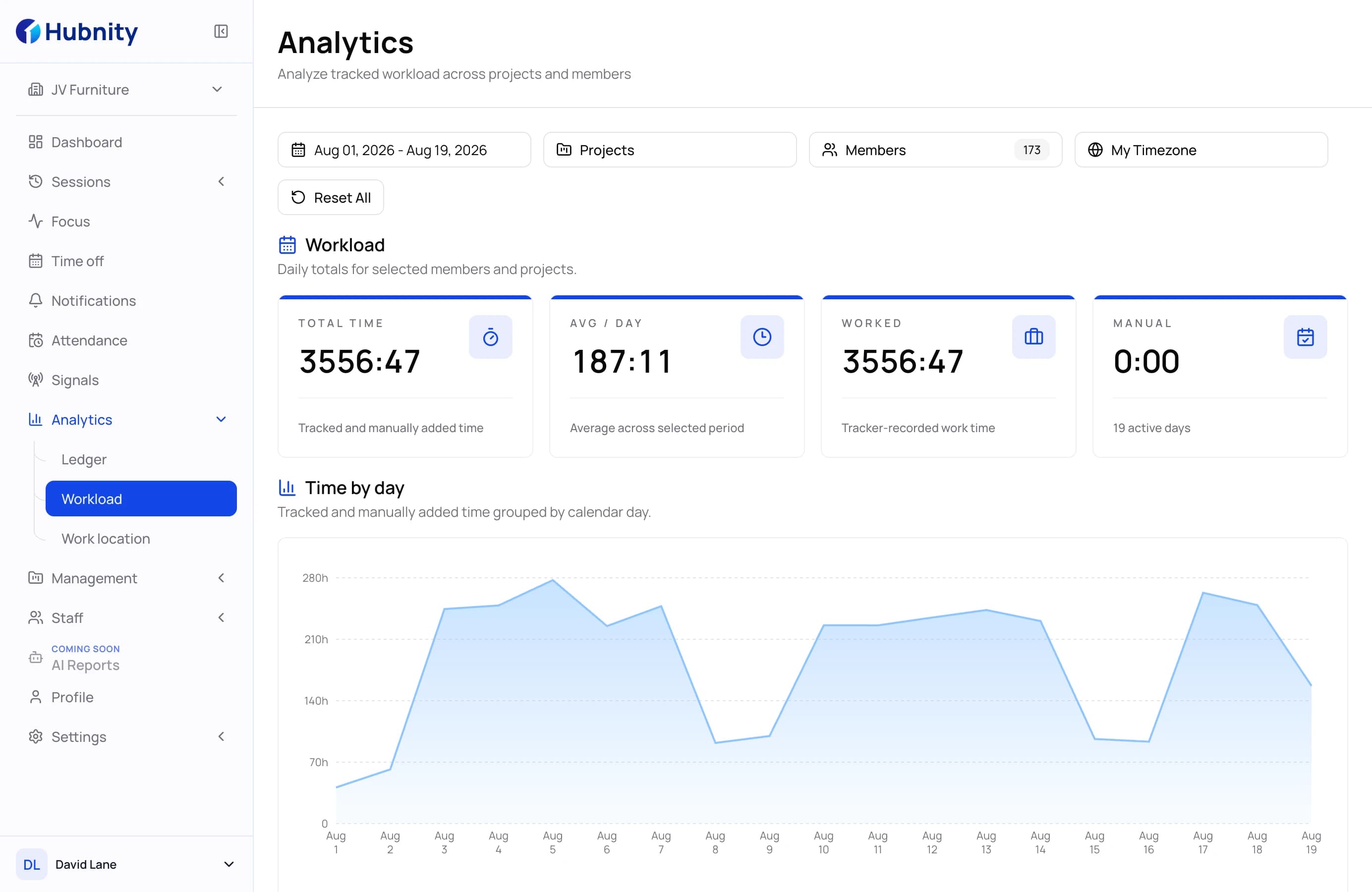
Utilization is still useful, but finance leaders increasingly pair it with delivery risk, rework signals, and team health indicators. A single percentage rarely tells the full story — especially in hybrid and project-based businesses.
Combine utilization with context
A high utilization number means little if projects are late or quality is dropping. Context turns the metric into a management tool.
Segment utilization by engagement type: retainer, fixed fee, and internal initiatives should not share one target.
- Billable utilization for client-facing roles
- Delivery risk flags on late milestones
- Rework hours as a quality signal
Watch for unhealthy optimization
Pushing utilization upward without buffer creates hidden costs: turnover, errors, and client escalations.
Finance teams are adding 'sustainable utilization' bands to account planning models.
Pair financial metrics with operational signals
Combine utilization with overtime trends, approval exceptions, and project overrun rates.
The combination surfaces staffing issues earlier than any single KPI.
Report utilization at the right granularity
Team-level and role-level views are more actionable than company-wide averages.
Executives need trends; managers need names and projects — within appropriate privacy boundaries.
Practical steps to apply this week
- Add rework and overtime as companion metrics in monthly finance reviews
- Set different utilization targets by engagement model
- Review utilization alongside on-time delivery for top accounts
- Pilot a sustainable utilization band for one department
Conclusion
Utilization still matters — but only as part of a broader operating picture.
Finance teams that add context make better staffing decisions and protect long-term margin.

Hubnity
Practical guidance from the Hubnity product and operations team.
Related articles
 Remote Teams
How to build a time tracking policy remote teams actually trust
A practical playbook for rolling out time tracking without hurting morale — from policy wording to privacy defaults.
8 min readHubnity Payroll & Billing
Billable hours without spreadsheet chaos
How agencies connect tracked time, client rates, and clear exports in one workflow — without rebuilding reports every Friday.
6 min readHubnity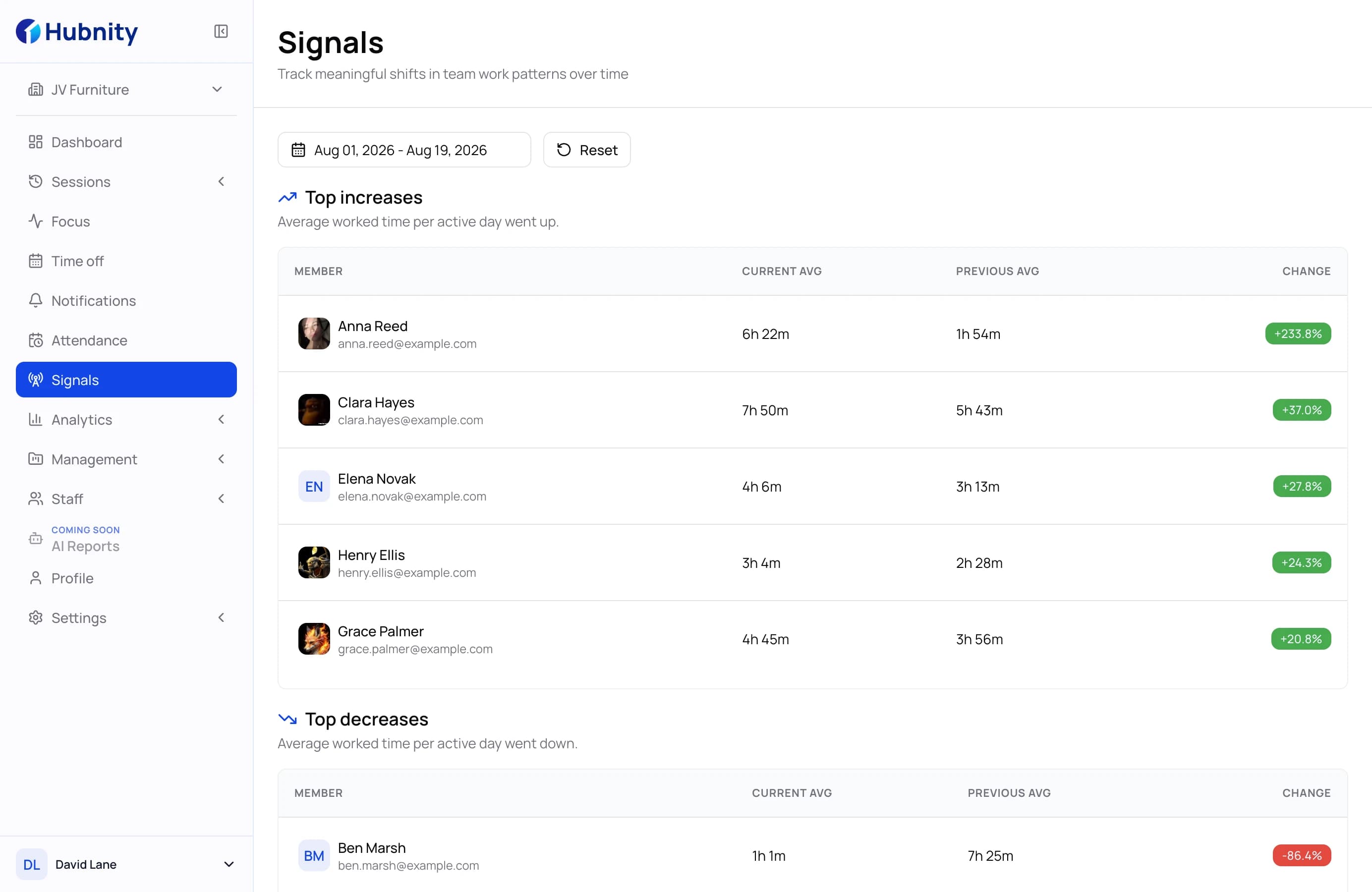 Employee Productivity
Deep work signals for distributed teams
Turn activity patterns into actionable focus insights for managers — without micromanaging every app switch.
7 min readHubnity