
Rotations
Build predictable rotation patterns for recurring shift cycles across teams, sites, and skill levels.
Hubnity Shift Planning helps operations teams design repeatable rotations, forecast labor demand, and handle schedule changes quickly without breaking coverage.
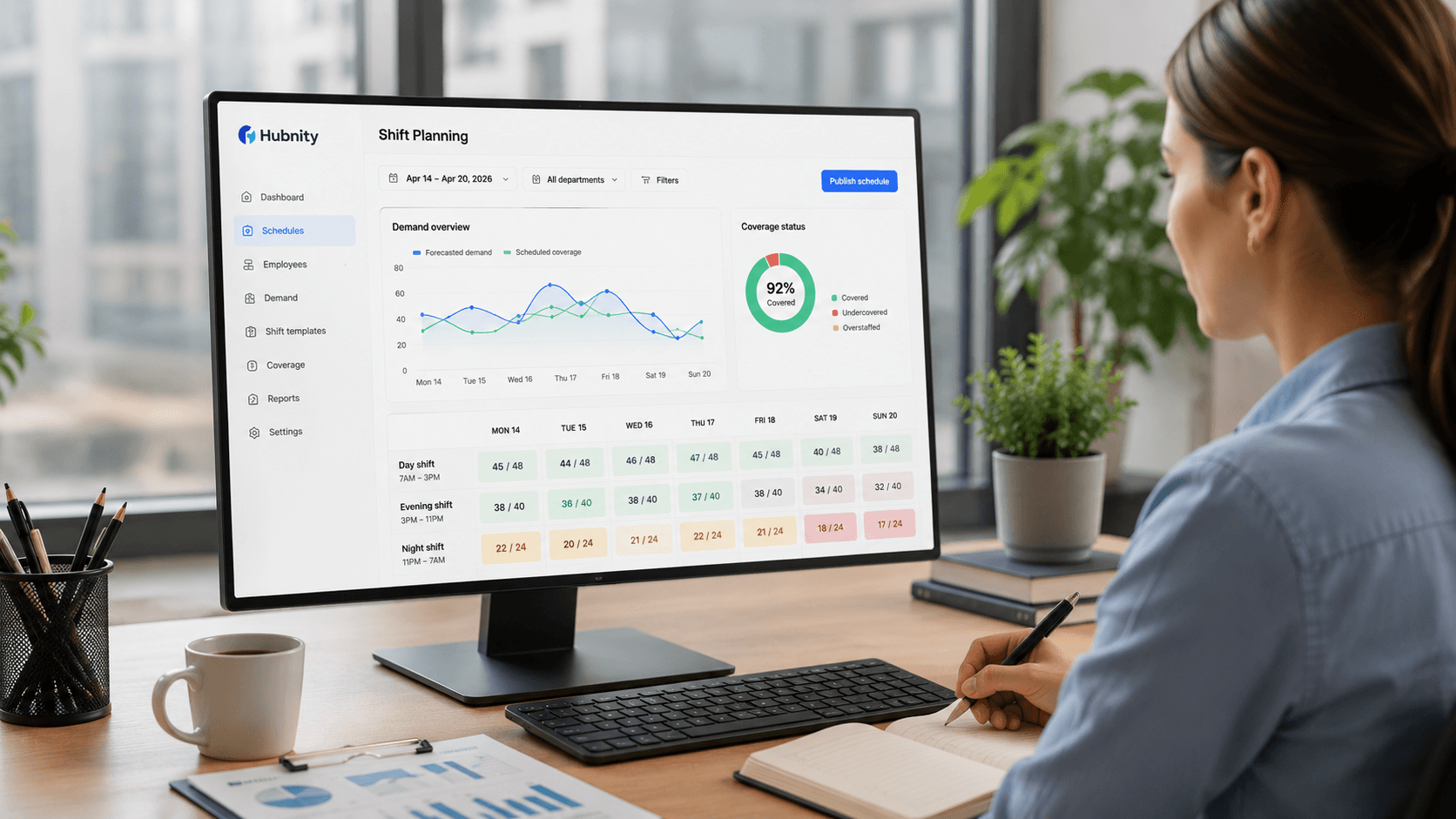
Live metric
Rotations
Updated now
Live metric
Labor demand
Updated now
Live metric
Schedule changes
Updated now
Product toolkit
Coordinate rotations, anticipate labor needs, and adapt schedules quickly when operational conditions shift.
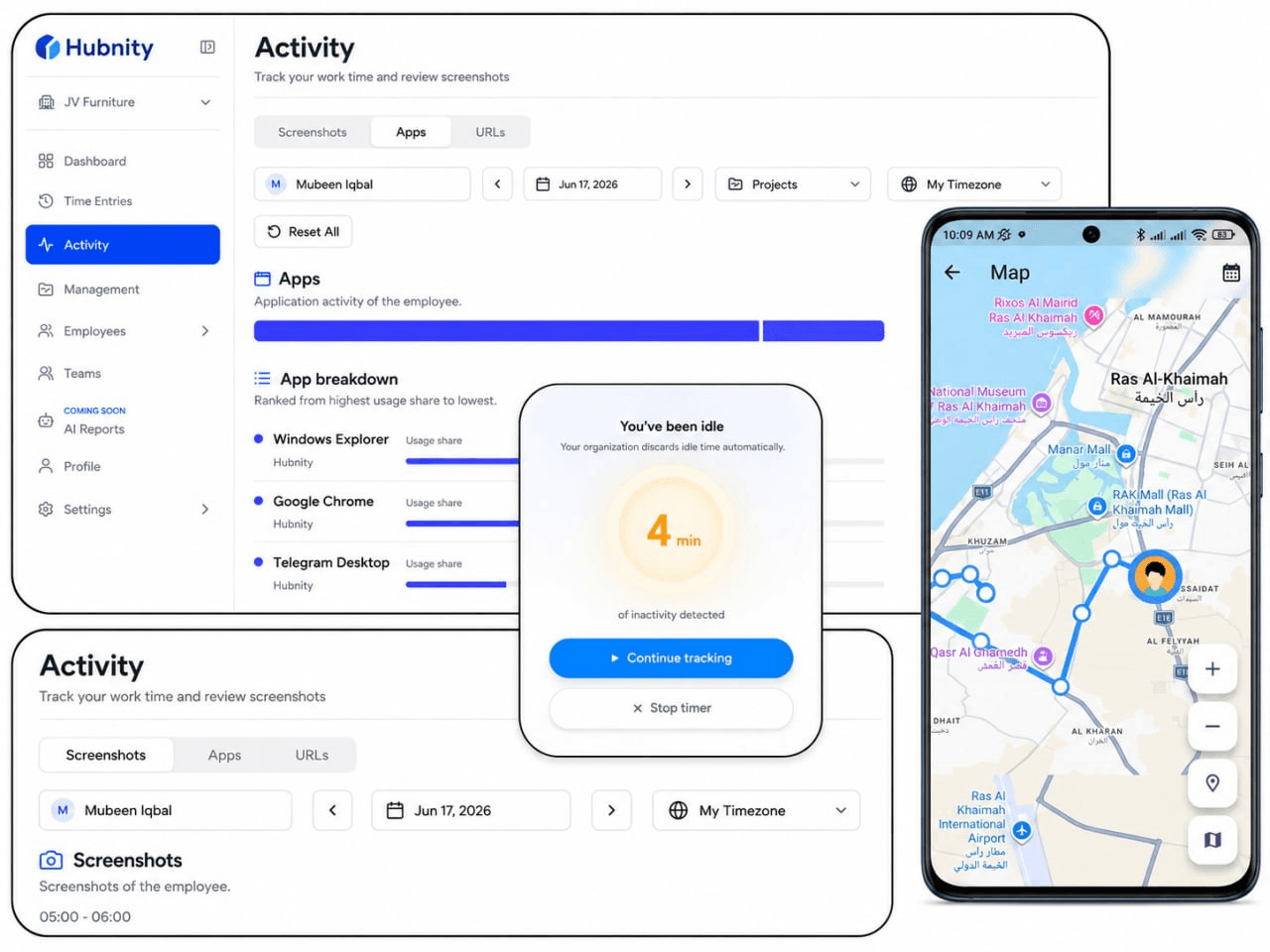
Build predictable rotation patterns for recurring shift cycles across teams, sites, and skill levels.
Forecast staffing demand from historical trends and upcoming workload to prevent over- or under-scheduling.
Handle swaps, reassignments, and urgent updates with full visibility into downstream coverage impact.
Step-by-step flow
Define rotation logic, allocate labor against demand, and adjust plans continuously as operational priorities evolve.
Configure shift patterns, role requirements, and planning windows that align with your operating model.
Assign teams to rotations based on projected workload and availability before schedule conflicts emerge.
Update schedules in minutes and preserve coverage as demand or staffing conditions shift mid-cycle.
Operations dashboard
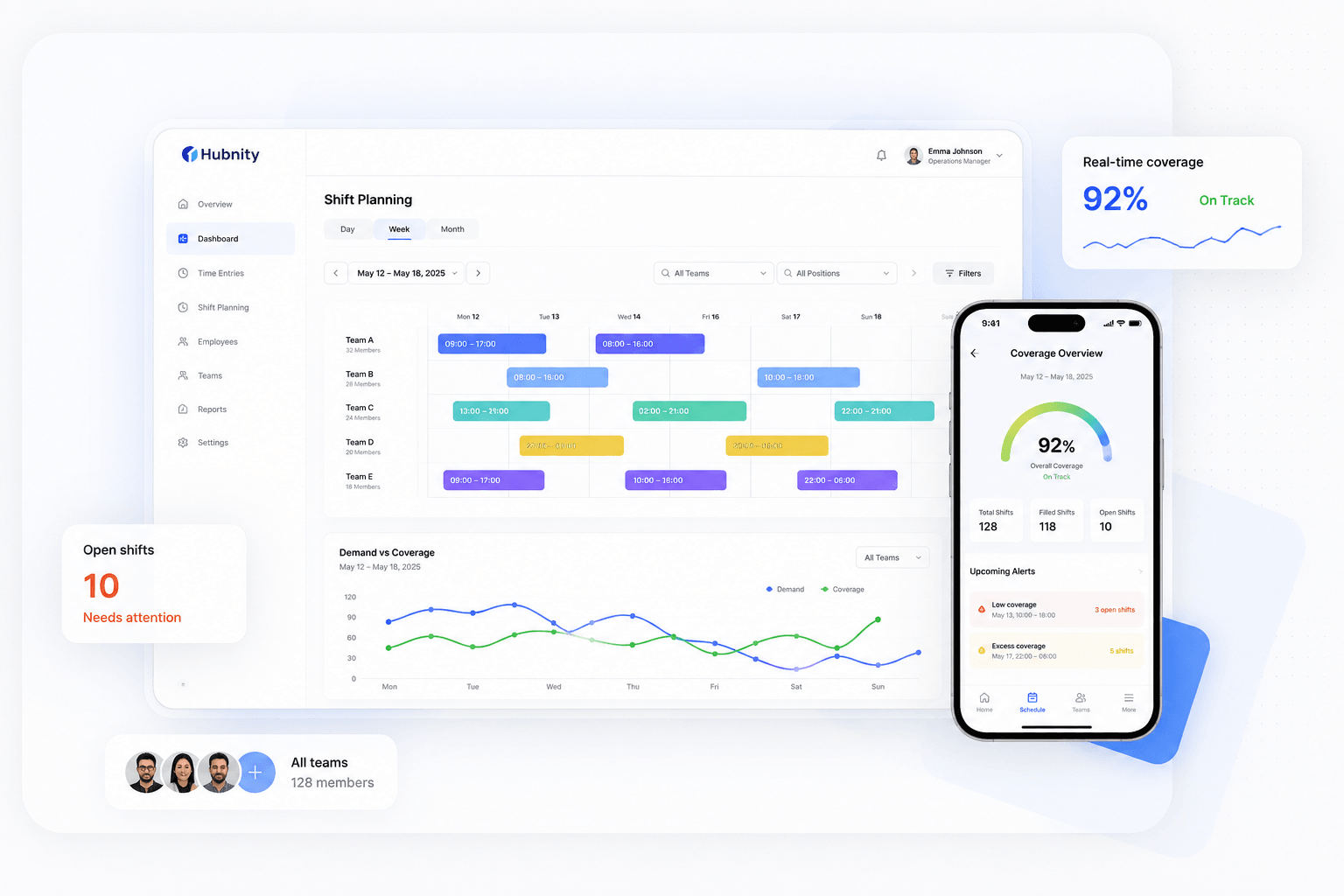
Operations leaders can inspect planned rotations, demand pressure, and schedule adjustments from one live planning command center.
Integrations
Shift plans stay operationally accurate by linking demand planning with attendance, staffing, and team context.
Compare planned rotations against actual attendance to improve planning precision week over week.
Stack-ready
Keep shift plans aligned with real staffing constraints as teams scale or availability changes.
Stack-ready
Connect schedule updates to adjacent operational processes so plan changes propagate quickly and clearly.
Stack-ready
Use cases
Scenarios where teams rely on Hubnity to keep staffing resilient under variable operational demand.
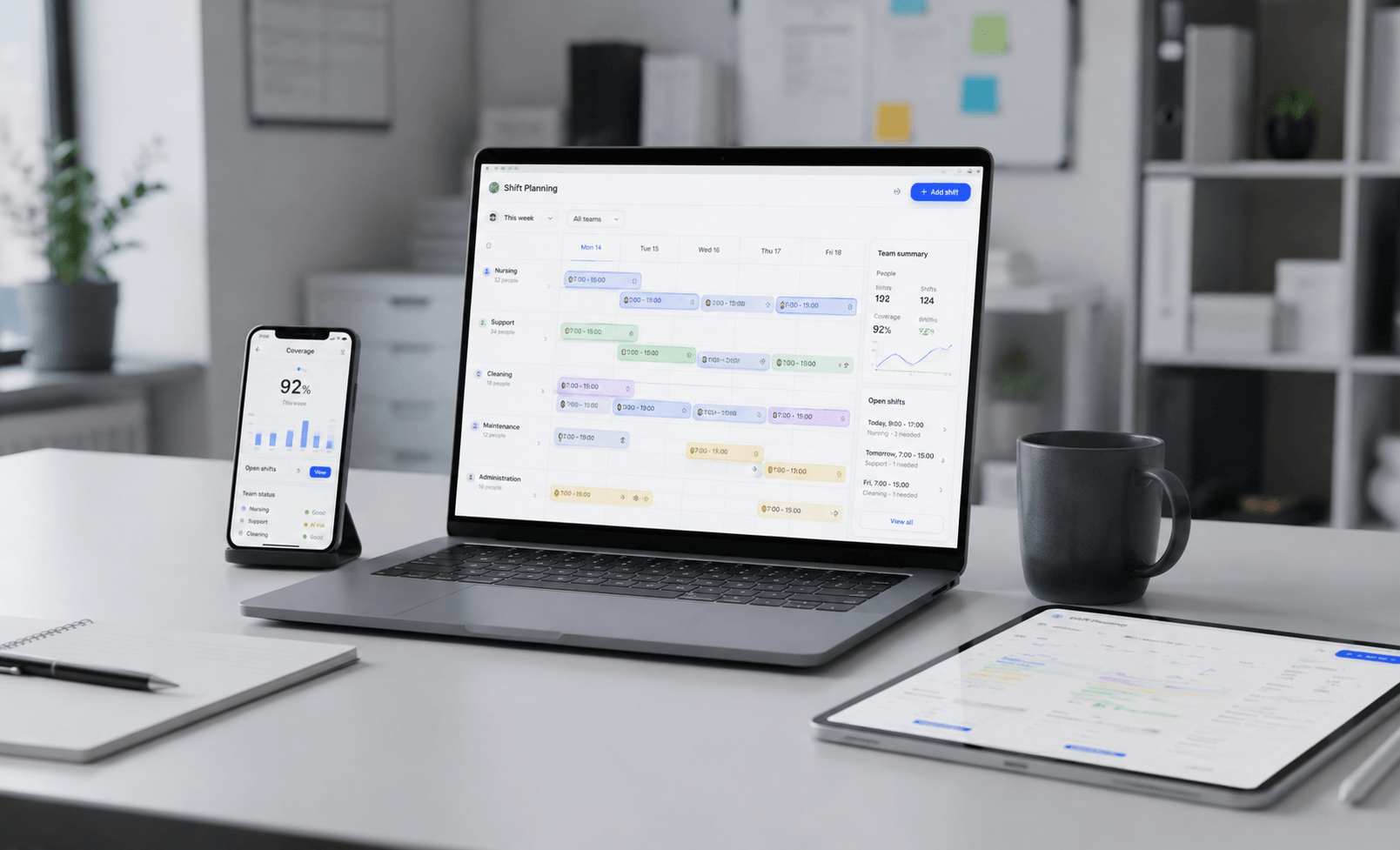
Coordinate around-the-clock rotations while maintaining clear ownership and balanced team workload.
Scale staffing up or down based on demand forecasts without rebuilding shift logic from scratch.
Respond quickly to absences and priority shifts while protecting service continuity.
Why teams switch
When demand changes daily, static plans break down. Hubnity delivers a flexible planning system built for operational volatility.
Platform ecosystem
Each product connects to the same workforce data layer — start here, then add scheduling, leave, payroll, and analytics when your team is ready.
Track project budgets, forecast spend, and keep labor costs visible before they drift off plan.
Explore productAssign work, follow progress, and connect delivery to the hours your team actually spends.
Explore productBuild schedules around availability, roles, and coverage needs without spreadsheet chaos.
Explore productTrack balances, route approvals, and see how time off affects coverage before schedules break.
Explore productRun payroll with approved hours, deductions, and pay cycles connected to the time and leave data your team already tracks.
Explore productCoordinate scheduling, coverage, roles, and daily operations in one workforce management layer across your teams.
Explore productTurn time, attendance, scheduling, and payroll data into workforce analytics leaders can act on every week.
Explore product