
How to segment billable work by client and project
Structure tags, rates, and export rules so finance can reconcile invoices without manual spreadsheet merges.
 Hubnity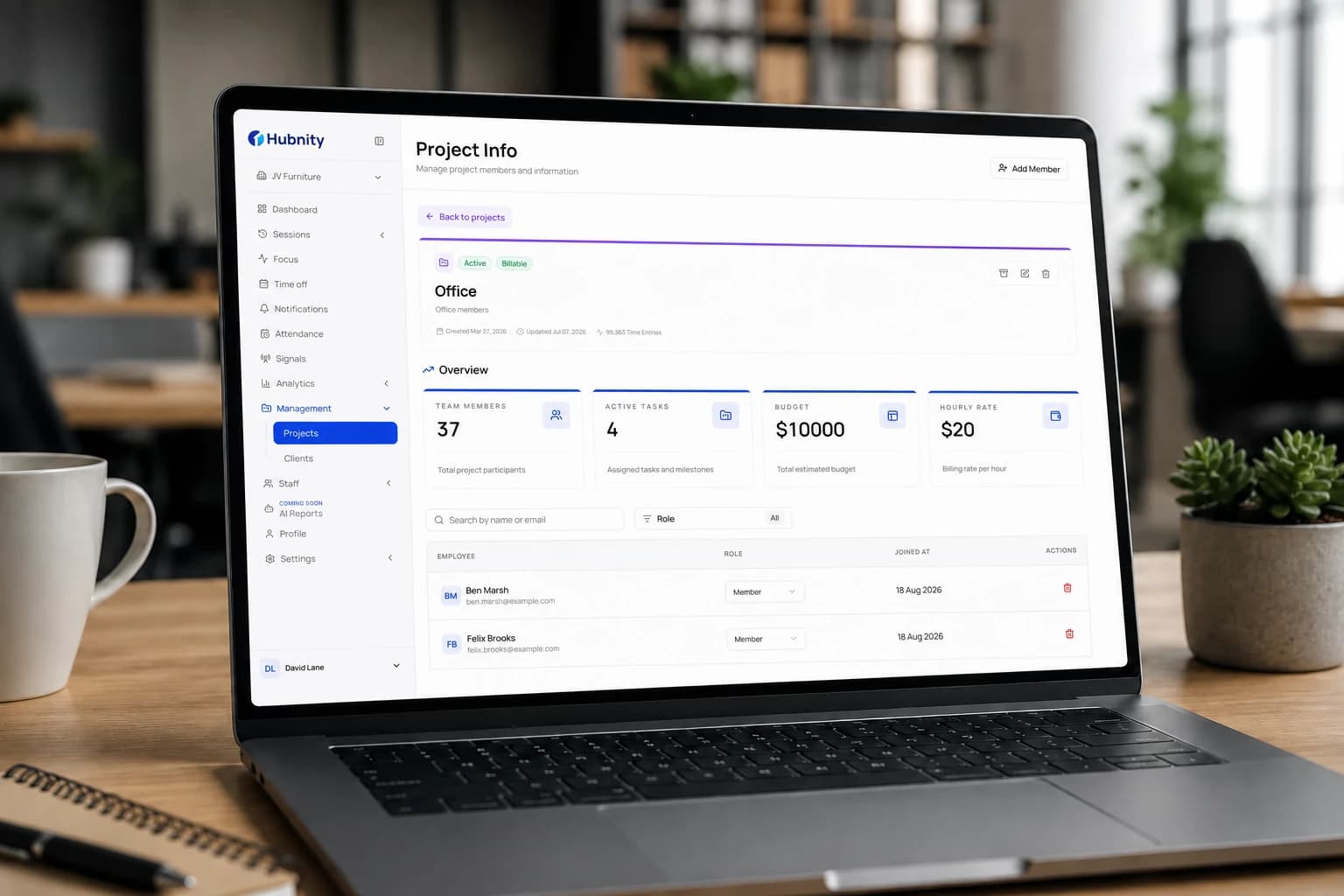
Segmentation rules should be simple enough for contributors to follow daily and robust enough for finance to trust at month end. The best structures balance clarity with flexibility.
Design tags for the people who track time
If tagging feels heavy, people will pick defaults. Keep the active project list short and maintain archived projects separately.
Use naming conventions contributors recognize from daily work — not finance codes they never see.
- Limit active projects to what the team actually touches each month
- Use client → project hierarchy consistently
- Archive completed work instead of deleting history
Define billable rules at the project template level
Default billable flags and rate classes at the template reduce decision fatigue during entry.
Overrides should be rare and auditable — not the normal path.
Align segmentation with invoice structure
Map project tags directly to invoice sections. Misalignment here creates manual rework every billing cycle.
Run a quarterly mapping review when clients change contract structure.
Train new hires on segmentation on day one
Segmentation errors compound. A 30-minute onboarding on tags and billable rules pays off quickly.
Pair documentation with one practice entry in a sandbox project.
Practical steps to apply this week
- Audit active projects and archive stale entries
- Standardize client and project naming this week
- Set default billable rules on your top five templates
- Add segmentation to new-hire onboarding checklist
Conclusion
Good segmentation is invisible to contributors and invaluable to finance.
Simplify first, automate second, and only then optimize for advanced reporting.

Hubnity
Practical guidance from the Hubnity product and operations team.
Related articles
 Payroll & Billing
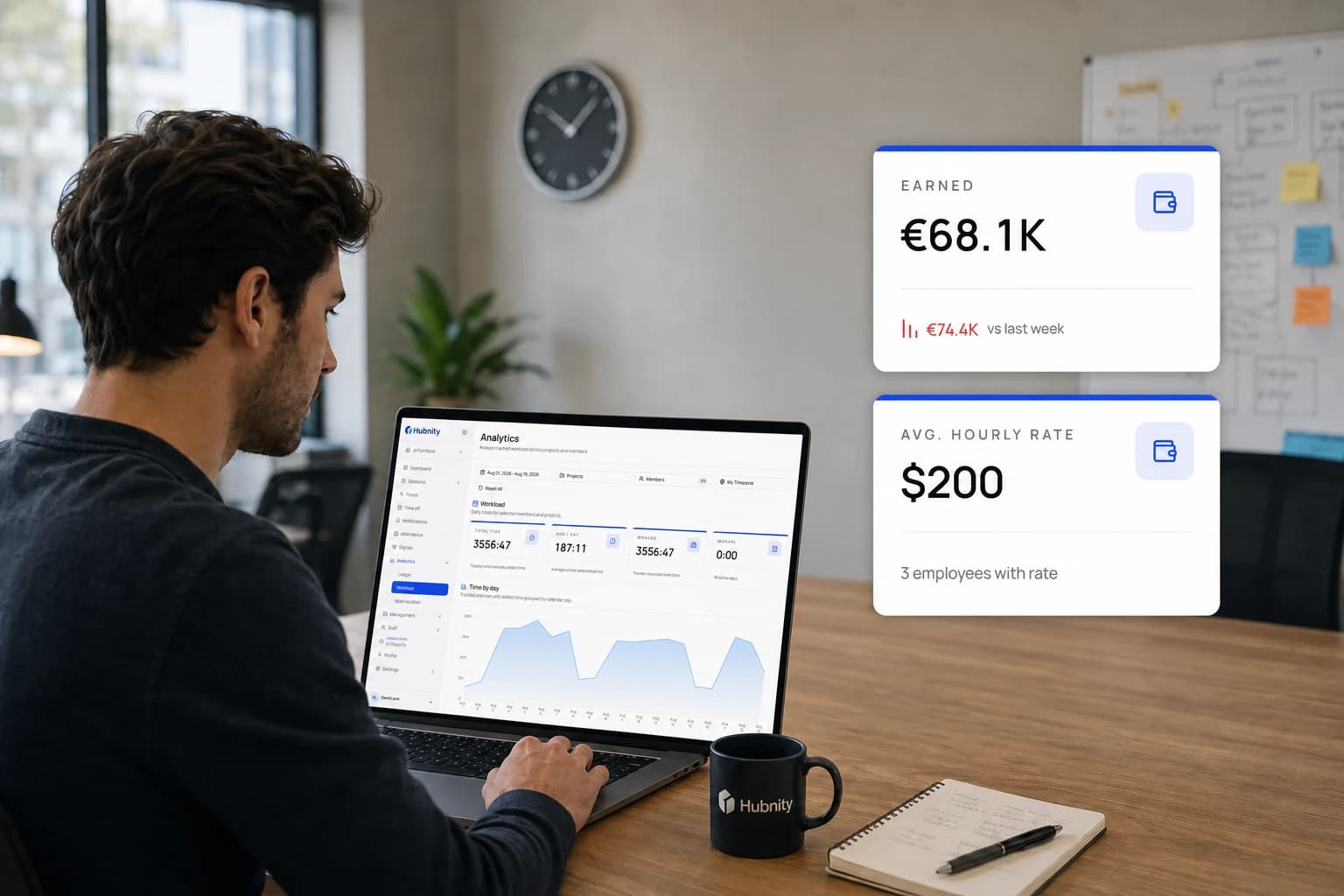
Billable hours without spreadsheet chaos
How agencies connect tracked time, client rates, and clear exports in one workflow — without rebuilding reports every Friday.
6 min readHubnity Remote Teams
How to build a time tracking policy remote teams actually trust
A practical playbook for rolling out time tracking without hurting morale — from policy wording to privacy defaults.
8 min readHubnity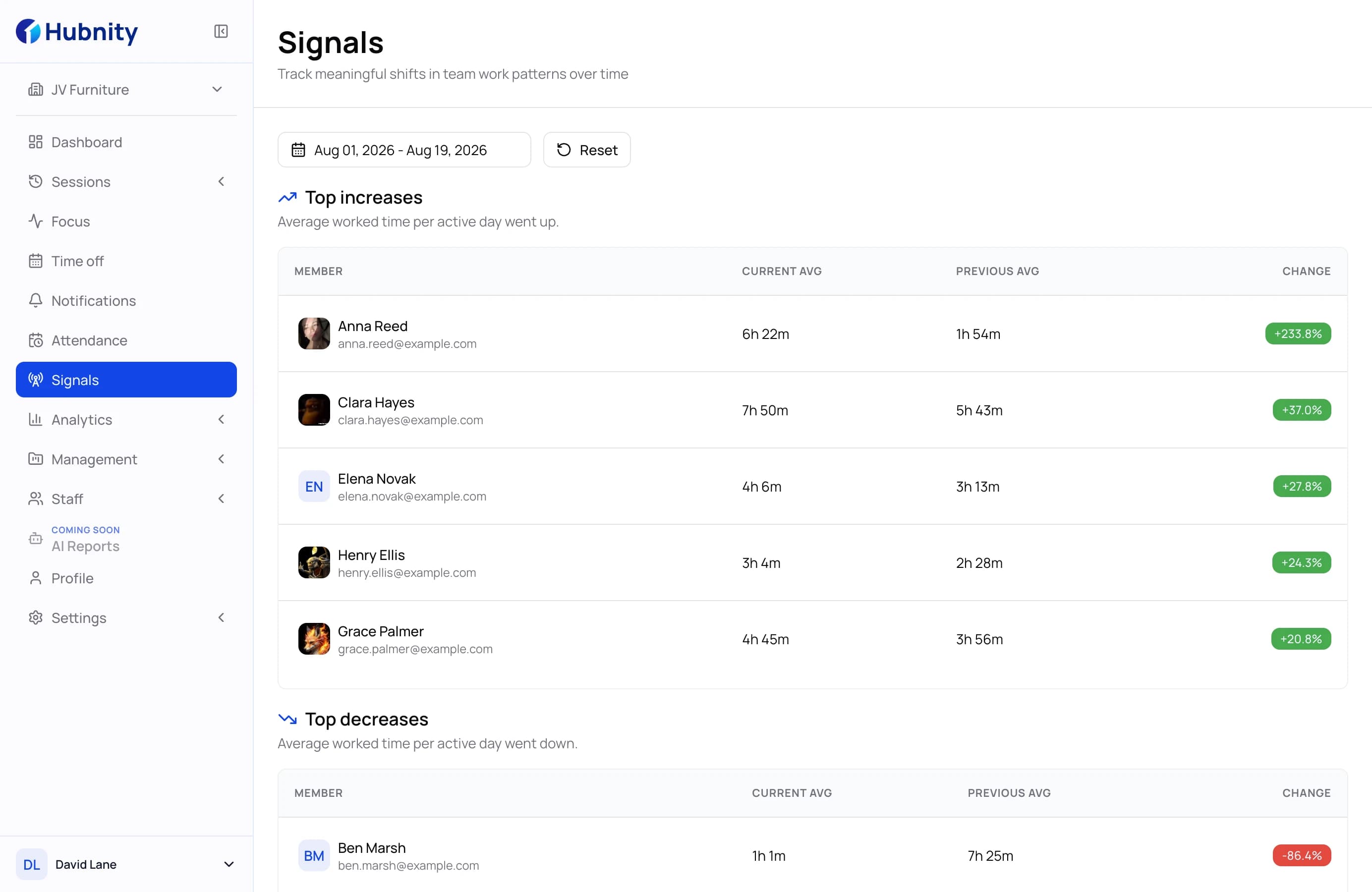 Employee Productivity
Deep work signals for distributed teams
Turn activity patterns into actionable focus insights for managers — without micromanaging every app switch.
7 min readHubnity